Read my Substack articles below and click the link to subscribe for free to have the weekly articles delivered to your mailbox
Conversion Therapy never really went away
When we hear “conversion therapy” we imagine something outdated.
Maybe we picture electroconvulsive therapy, religious interventions or being sent far away.
We picture something extreme or obvious.
Many of us don’t think of it as something happening today.

Musings of an accredited EMDR practitioner
Last week I was informed that my EMDR accreditation has been approved.
I wanted to take this opportunity to reflect on my time practising EMDR and what I’ve learned along the way.
Learning how to trust the process enough to not get in the way.
Men get eating disorders too
When we picture someone with an eating disorder many of us will think of the same thing.
A thin, young, white woman.
This might fit some of the demographic but this idea has influenced who is diagnosed and supported with an eating disorder.
It also tells us who gets missed too.
Because men get eating disorders too and they’re often hiding in plain sight.

Why is my therapist so mysterious?
A client recently asked me “is it intentional that I don’t really know anything about you?”.
It got me thinking about how it feels to be on the clients side of therapy and how we as therapists may not always explain this dynamic to them.
The question has come up before in my clinical work but it’s easy to forget how normal this relationship is for me as a psychologist compared to my clients.

Recovering in a disordered world
“But they don’t eat breakfast” or “they don’t eat snacks”
I hear this all the time in the therapy room. It’s a comparison to others and a reality for many facing recovery. A subtle undoing of their hard work.
One of the trickiest parts of recovery is returning to the environment where it all started.
What came first the Ozempic or the eating disorder
The rise in weight loss medications means more and more of us are thinking about our weight, body image and food intake. This begs the question will this cause a rise in eating disorders? Or is it already an eating disorder in disguise?
What’s in a name? Psychologist, psychotherapist, counsellor and therapist
The world of healthcare can be a confusing place there’s lots of different titles and they are never really explained to us.
Particularly in the therapy space, there are many different ways to describe someone who delivers therapy.
What do they all mean? How do they differ from one another? And does it really matter?

When you’ve always felt different
I recently had the pleasure of speaking with Hannah from the Full of Beans podcast about the intersection between neurodiversity and eating disorders within the LGBTQ+ community.
Often these experiences are spoken about separately despite how frequently we see them overlapping in clinical work and in peoples lived experiences.
It isn’t that being LGBTQ+ or neurodivergent causes eating disorders.
But we know that identity, belonging, feelings of shame, sensory experiences, visibility and the body are all connected with one another.

What do you actually value?
I will often ask my clients a not so simple question:
“What do you value?”
There is usually a pause and maybe some confusion about my questions meaning. Many of us are so busy adapting to all life throws at us that we rarely stop to ask what matters to us.

The trauma of displacement
Imagine you’re born in a country that’s currently at war. Not something you’re watching on the news, but something that you’re living and that shapes your everyday life.
The noise, the fear and the unpredictability knowing that your safety is not guaranteed. Then a decision has to be made to leave.
What impact does that have on you?

Friendship Breakups
We’ve all lost a friend, whether that is the natural drift that comes from moving to a new place or from you both being in different stages of life. It can sometimes be messy and dramatic, a disagreement or a definitive cutting of ties.
Sometimes it’s not a natural ending or a loud dispute but rather it’s quiet and even out of the blue.
A friend may stop speaking to you for no obvious reason and you may never know why.
Love story or horror story?
The latest film adaptation of Wuthering Heights has been promoted as one of the greatest love stories ever told.
But when you step back from the romantic framing, a slightly different question begins to emerge:
Is this a love story… or something closer to a horror story?
When difference becomes trauma
A phrase I hear often in my clinical work is:
“It feels like everyone else was given the rule book to life, and I’ve had to figure it out on my own.”
Not wrong, exactly. Things seem to be harder for them compared to everyone else.
For many neurodivergent people, this isn’t about ability. It’s about navigating systems, expectations, and social rules that were never designed with them in mind.
Dr ChatGPT will see you now
In this day and age you cannot avoid AI. It is everywhere. Every app, every advert and every company is pushing it for productivity purposes.
AI is a polarising concept. For some it is a helpful tool to improve their writing, help with menial tasks and organisation. For others it’s a major worry due to its environmental, political and ethical concerns. And some are using it for therapy.
An area where AI feels particularly concerning is healthcare. What role is it playing in healthcare? And should it be used in therapeutic spaces or as a replacement for therapy?

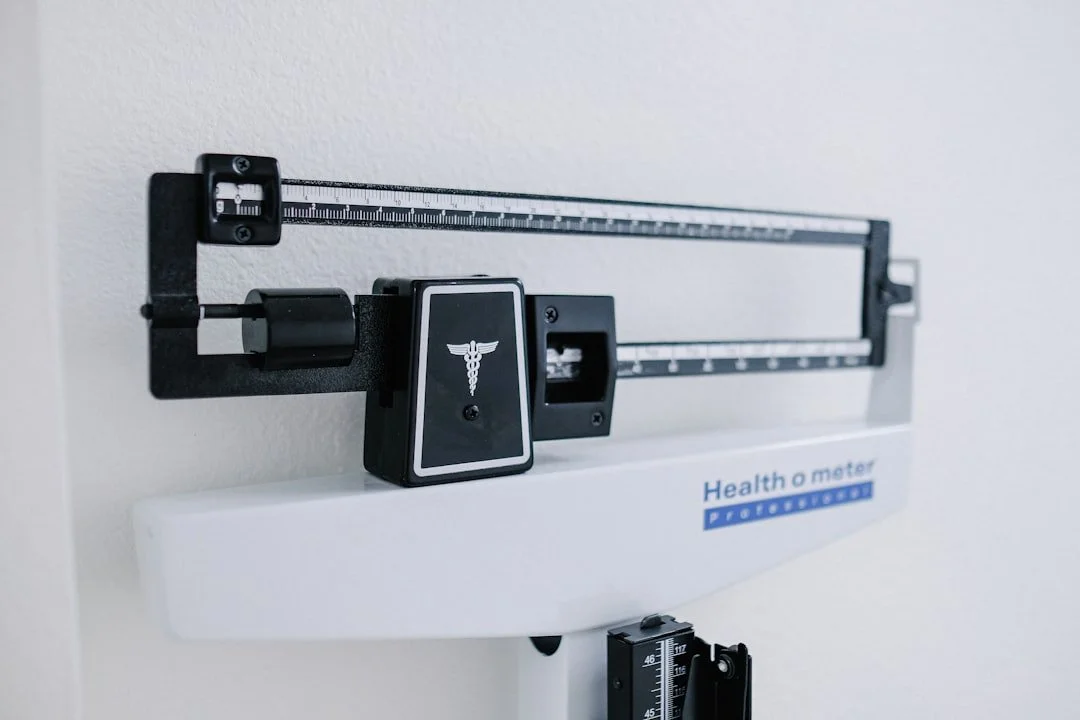
Who was BMI designed for?
Body Mass Index, or BMI, is one of the most widely used measures of health in the world.
Doctors use it, public health campaigns use it and even insurance companies use it. It appears in medical charts, research papers, and government guidelines.
The number itself feels simple, even seemingly objective. It’s a formula that creates a clear line between “healthy” and “unhealthy.”
But BMI was never designed to measure individual health.

When something involuntary causes harm
A recent moment at the BAFTAs has sparked a lot of reaction, conversation, and confusion.
For some, the focus has been on what was said. For others, on intent. And for many, it has raised broader questions about neurological conditions, responsibility, and harm.

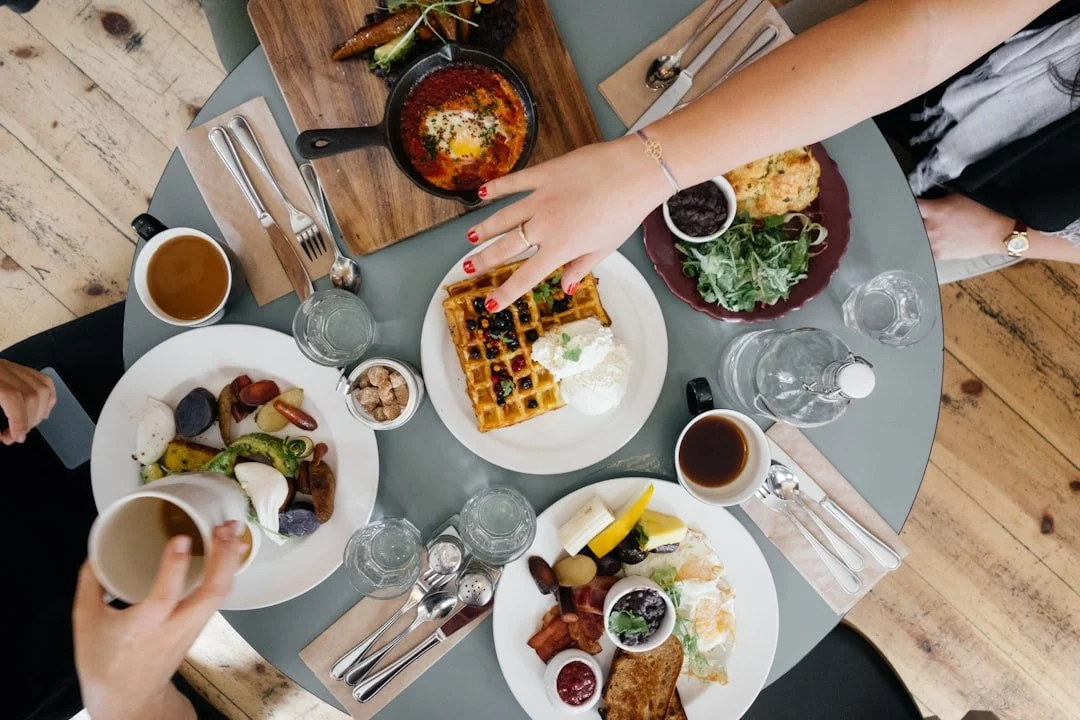
When normal eating starts to look excessive
Something has shifted in our collective sense of what normal eating looks like.
I increasingly sit with clients who are eating in line with dietetic recommendations (three meals a day and snacks) and describe feeling “greedy” or “too much.” Not because their intake is excessive, but because their internal reference point has been quietly distorted by the world around them.
Where did I just go?
Have you ever arrived somewhere and realised you don’t remember part of the journey?
Reread the same paragraph five times without taking any of it in?

Why are all the fitness influencers injured?
Spend enough time on social media and it becomes clear that exercise is no longer just something people do. It’s something people perform.